
Last year, many federal regulations were reduced in an effort by the Administration to give developers greater flexibility and remove some of the constraints that had slowed projects in the past. While this shift was intended to encourage growth and investment, it has also caused concerns in some areas about maintaining appropriate levels of oversight. Local codes and zoning requirements have become so extensive that relatively few developers are willing to take on the time, cost, and uncertainty to navigate through them.
Virginia’s Regulatory Framework
The Commonwealth of Virginia operates under the Dillon Rule, meaning that counties and municipalities may exercise only those powers explicitly delegated to them by the state. Environmental oversight is largely administered through the Virginia Department of Environmental Quality, whose mission is to ensure environmental standards are upheld across the state.
However, the regulatory process can feel somewhat removed from the communities it ultimately affects. Increasing reliance on online portals and digital systems has made the process more standardized, but it can also limit opportunities for direct conversation between regulators and those trying to comply with the rules. When regulations are layered and complex, applicants find it difficult to fully understand how they will be interpreted in practice.
Clear Rules and Practical Application
We often describe the United States as a nation governed by laws rather than by individuals. For that principle to work well, regulations must be clear and consistently applied so that everyone understands the expectations and can operate within them confidently. These laws should be adjusted for feedback from the regulators and developers based on actual experiences.
Industrial Development in Practice
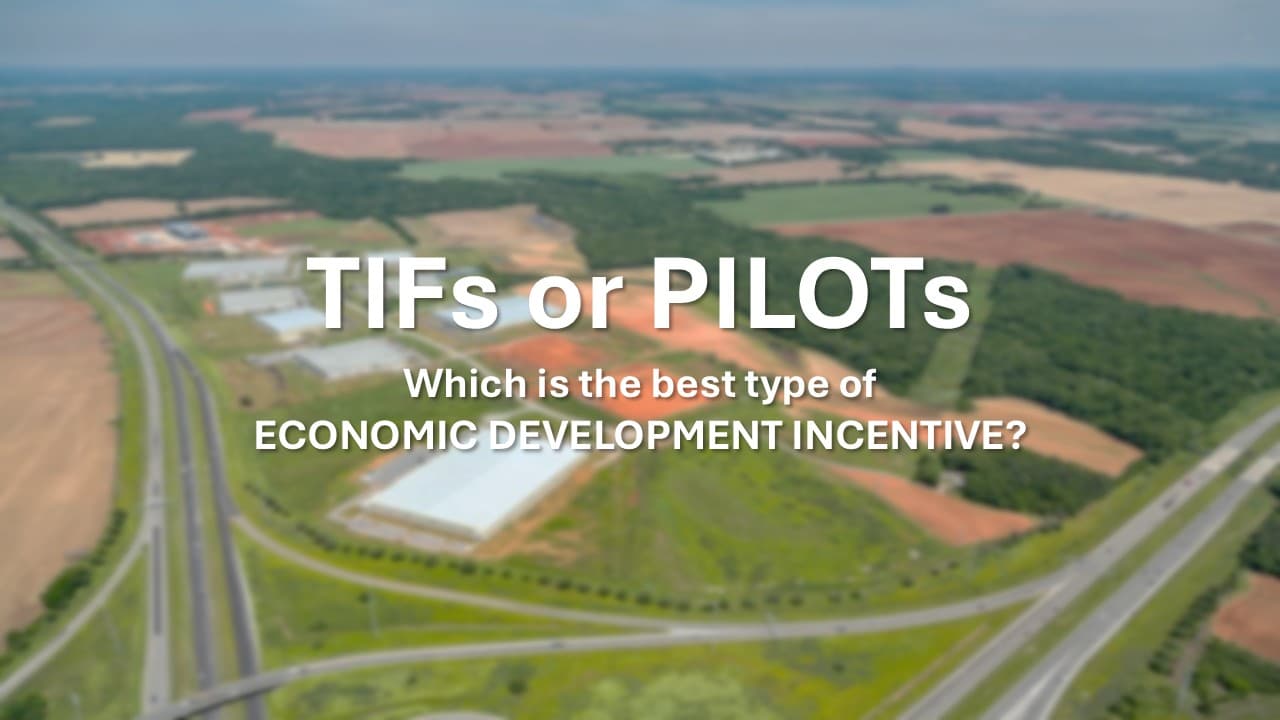
Consider the example of converting a 200-acre cotton field into an industrial park. Agricultural land may be tilled multiple times each year, often involving fertilizers and weed control measures across hundreds of acres. When that same land is developed into an industrial park, it typically includes detention ponds, ground cover, and engineered stormwater systems that are designed to reduce erosion and manage runoff and creates situations where developers must take on significant mitigation measures even when the previous land use had much greater environmental impacts.
Local Priorities and Economic Growth
Local leaders and residents are often best positioned to evaluate how new projects affect jobs, economic opportunity, and long-term community growth. Industrial parks have become a major driver of local employment and account for a significant share of private-sector jobs and provide a strong foundation for economic stability. When thoughtful development is allowed to move forward, it can strengthen both the local economy and the community as a whole.
Finding the Right Balance
Finding the right balance between the environment and economic opportunity is not always simple. But when regulations are clear, fair, and applied with an understanding of local priorities, communities are better positioned to attract investment, create jobs, and grow responsibly. States that are not loosening up to match the national much-needed recognition of this problem pretty much get what they deserve – We, like so many other developers, are reallocating our investment capital to states that are not being punitive.
About The Hollingsworth Companies
The Hollingsworth Companies develops and owns Class A single-tenant industrial buildings across the Southeast, helping manufacturers and distributors secure strategic space for long-term growth. Since 1972, we have delivered industrial real estate solutions through high-quality buildings, flexible development approaches, and a long-term commitment to the businesses and communities we serve.